

While our faces benefit from daily rituals and thoughtful formulas, we often ignore flaky heels until sandal season arrives.
If the time for smooth soles has come and you’re asking, ‘why are my feet so dry?’ – there are many possible reasons, from your environment to the products you use.
To help you achieve silky results, we’ve covered the key causes, ways to enhance moisture, and prevention tips.
Dry Feet Causes
What causes cracked heels? Research on general dryness and flaky feet points to several contributing factors:
- Sunlight – Extended exposure to UV rays could contribute to the skin on the feet feeling drier.
Friction – Repeated rubbing from footwear or activity may gradually thicken the skin’s surface, making dryness more noticeable. - Low humidity – When the air lacks moisture, the skin barrier could be affected, leading to dryness.
- Topical products – Some products applied to the skin may have ingredients that can contribute to dryness for certain individuals.
- Diet – Your diet may influence overall skin condition, including how dry the feet may feel.
- Age – Skin's ability to retain moisture declines with age, which can make dryness on the feet more common.
- Excessive Bathing – Washing too frequently, especially with cleansers containing surfactants, may strip away the skin’s natural oils and disrupt the skin barrier, possibly resulting in dryness and irritation.
Hot Water – Frequent exposure to hot water could damage the skin barrier, which may contribute to dryness. Improper Footwear - Non‑breathable shoes and socks may trap sweat, causing irritation and contributing to dry, itchy skin. - Skin Conditions - Dryness may also be caused by skin conditions like eczema.
How to Get Rid of Dry Skin on Feet
Your feet carry you through every day, so keeping them healthy and comfortable is essential.
A simple two-step routine can help give your soles the care they need for lasting softness.
Here’s how to heal cracked heels:
Step One: Exfoliate
If you’re wondering how to remove dead skin from feet, exfoliation helps lift away dry and rough skin for a smooth, refreshed finish.
There are several ways to do this at home, from pumice stones and foot files to textured scrubs and chemical exfoliants.
Soak your feet in warm water to help soften rough, dry areas. Gently buff away hardened patches, then apply a textured scrub using slow, circular motions. After rinsing, your skin should feel noticeably softer and ready for moisturizing.
Our Multi-Active Foot Cream is designed for fast absorption, combining salicylic and glycolic acids with a creamy texture to target callouses and flakiness.

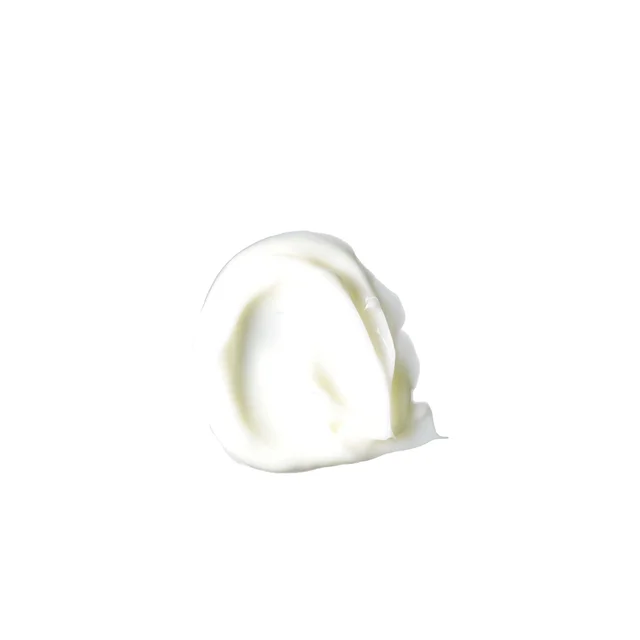
$39.50
Step Two: Moisturize
After exfoliating, applying a conditioning cream is a must, as it helps to seal in softness and moisture.
If you’re unsure how to moisturize feet, look for a moisturizing blend enriched with ingredients like shea butter, coconut oil, ceramides, glycerin, petroleum jelly, or hyaluronic acid to help smooth and condition the skin’s surface.
Once massaged in, consider slipping on a pair of socks to help lock it in and allow the formula to fully absorb – either during the day or overnight.
How To Prevent Dry Feet
We’ve covered how to ease flakiness, but what about stopping it in the first place?
Alongside staying on top of regular exfoliating and moisturizing, here’s how to take care of your feet.
Stick to Warm (Not Hot) Showers
As tempting as a steaming shower can be, it could be damaging your skin barrier, potentially leading to feelings of tightness and dryness.
Switching to warm water and gentle washes could help to protect and soothe the skin on your feet. Our Anti-Stress Bath & Shower Gel is formulated to do just this, bottling sweet almond, chamomile, and lavender for a moisturizing, calming lather.

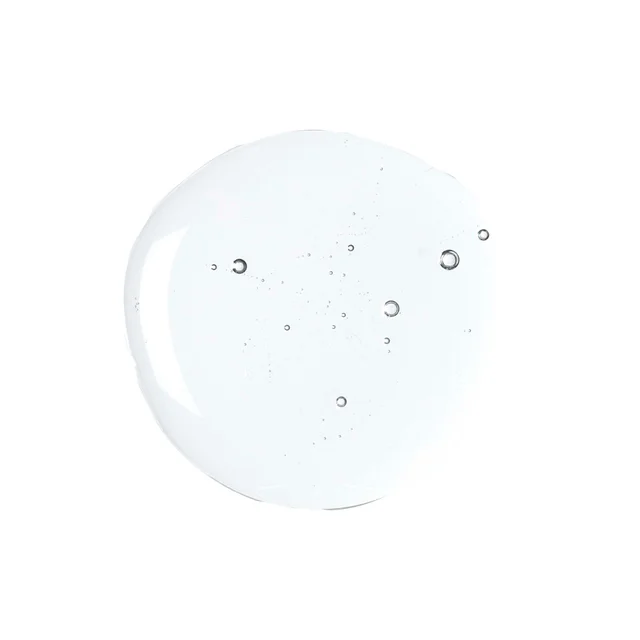
$31.50
Choose Breathable Socks and Footwear
Your feet need airflow just as much as the rest of your skin.
We recommend opting for breathable fabrics like cotton or moisture-wicking materials. This could help to prevent sweat build-up and the dryness that often follows.
Protect Your Feet from Hard Surfaces
Walking barefoot on hard floors could be harsh on your feet, potentially leading to rough patches and increased dryness over time.
Slipping into soft, supportive slippers or sandals at home may help to reduce friction and keep your soles happy.
Try a Foot Mask
Treating your feet to an enriching, moisturizing foot mask is a great way to help prevent dryness.
Many formulas are packed with ingredients that cocoon the skin in softness, leaving your feet feeling smooth and supple.
They’re also the perfect addition to any self‑care ritual—simply slip them on, put your feet up, and relax.
Look Out for Underlying Skin Conditions
If flakiness keeps coming back, there may be something else going on beneath the surface.
Skin conditions, like eczema, are common culprits of persistent dryness – speaking to a medical professional can help you get the right diagnosis and treatment.
Asking ‘why are my feet so dry?’ is the first step toward achieving silky‑soft soles.
Whether you need to moisturize, exfoliate, adjust your shower routine, or switch to more breathable footwear, there are plenty of ways to relieve and prevent flakiness.
Explore our body care products, including our rejuvenating footcare formula, to help you renew smoothness from head to toe.


