

If you’ve ever left the pool with tightness, itchiness, or general discomfort, you’re not alone in wondering: is chlorine bad for your skin? While it plays a vital role in keeping water clean, it can sometimes influence how your complexion feels, especially if you’re prone to dryness or irritation. With guidance from Dr. Christian Jurist, we’ve broken down its effects and how to maintain a calm surface after swimming.
What Does Chlorine Do to Your Skin?
Chlorine can noticeably affect the skin, especially with repeated exposure. As Dr. Jurist notes, it “is a harsh chemical that can easily strip the skin’s natural oils and affect barrier function.” This happens because the pH level of chlorinated water is different from that of your skin, and regular contact with this more alkaline environment may disrupt its natural barrier. When this imbalance occurs, it can show up in a few visible ways:
Dryness
Does chlorine dry out the skin? Quite simply, yes. That familiar post‑swim tightness is often an early sign of moisture loss. As Dr. Jurist explains, when the skin’s balance is disrupted by this chemical, it can lead to visible dehydration, leaving the complexion looking lacklustre and parched.
Irritation
If your skin tends to be more reactive, chlorinated pools may occasionally trigger irritation. Dr. Jurist notes that this can include “irritation, erythema, redness, or peeling,” particularly with frequent or prolonged exposure. For some individuals, these symptoms may even resemble contact or allergic dermatitis. However, chlorine isn’t always the sole factor. Other elements, such as water hardness, water temperature, and additional pool chemicals, may also contribute to this.
How to Protect Skin from Chlorine
With the right approach, it’s entirely possible to maintain healthy, moisturized skin when spending time in pool water. While primarily “reducing the frequency and time of exposure to chlorine will help minimize skin damage” (Dr. Jurist), there are some simple habits that can help keep your base balanced and comfortable during and after your swim.
Apply an Emollient Beforehand
Although research is ongoing, early findings suggest that applying an emollient prior to swimming may help the skin barrier. By reinforcing essential lipids that are often depleted by chlorinated water, skin may feel more comfortable, balanced, and better protected during and after your swim. Look for formulas with plant oils, shea butter, petrolatum, and ceramides to help create a supportive layer before exposure.
Rinse Your Skin After Swimming
After swimming, cleansing the skin promptly may help remove any lingering build-up. Dr. Jurist recommends that “once the skin has been exposed to chlorinated water, at minimum it should be washed with a pH‑balanced product and rinsed well with clean water to eliminate any residue.” Our Anti‑Stress Bath and Shower Gel is crafted to cleanse the skin with soothing sweet almond, chamomile, and lavender, transforming your post‑swim routine into a refreshing, calming ritual.

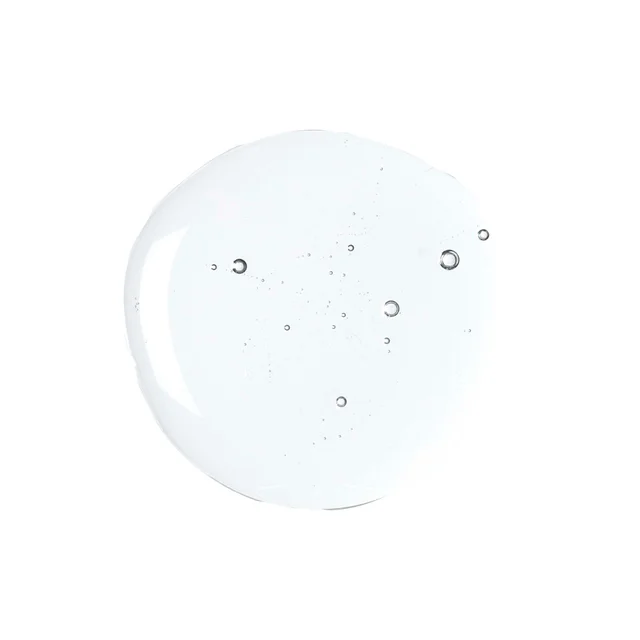
$31.50
Apply a Rich Moisturizer Afterwards
After cleansing, applying a rich moisturizer may help support your skin barrier post‑swim. Dr. Jurist advises using a “barrier‑replenishing and protecting product should be applied, such as a rich moisturizer that can help seal in moisture and reduce transepidermal water loss.” He adds that “formulations containing lipids or natural oils, hyaluronic acid, and collagen, to name a few, are recommended.” Our De‑Aging Body Balm – Papaya and Pineapple and Chocolate Indulgence Moisturizer both encourage suppleness, enveloping the skin in a sensorial, comforting cream.

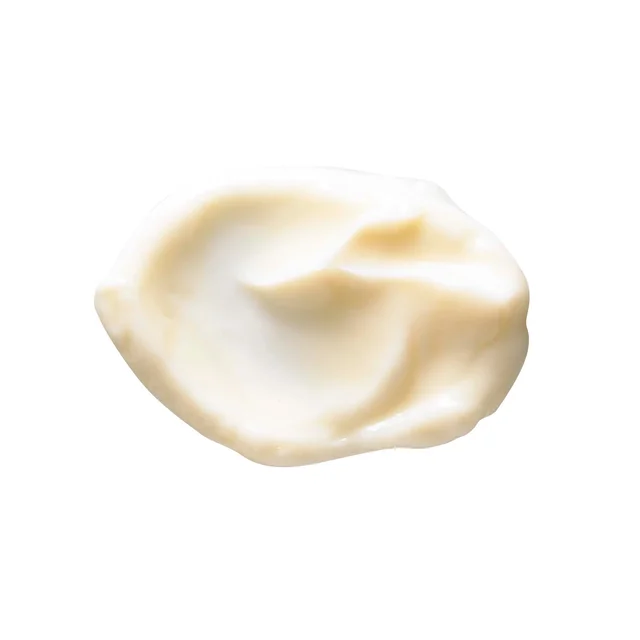
$106.00

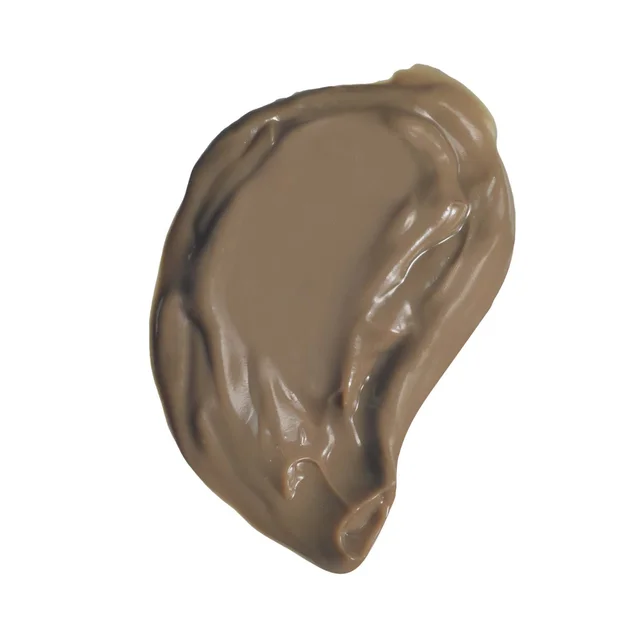
$102.00
By understanding chlorine’s effects and taking simple steps to protect your skin, you can enjoy swimming without compromising comfort.Prioritizing gentle cleansing and renewing moisture can make a noticeable difference in how your skin looks and feels after every swim.


